When is the magdalena island penguin season and can I visit in June?
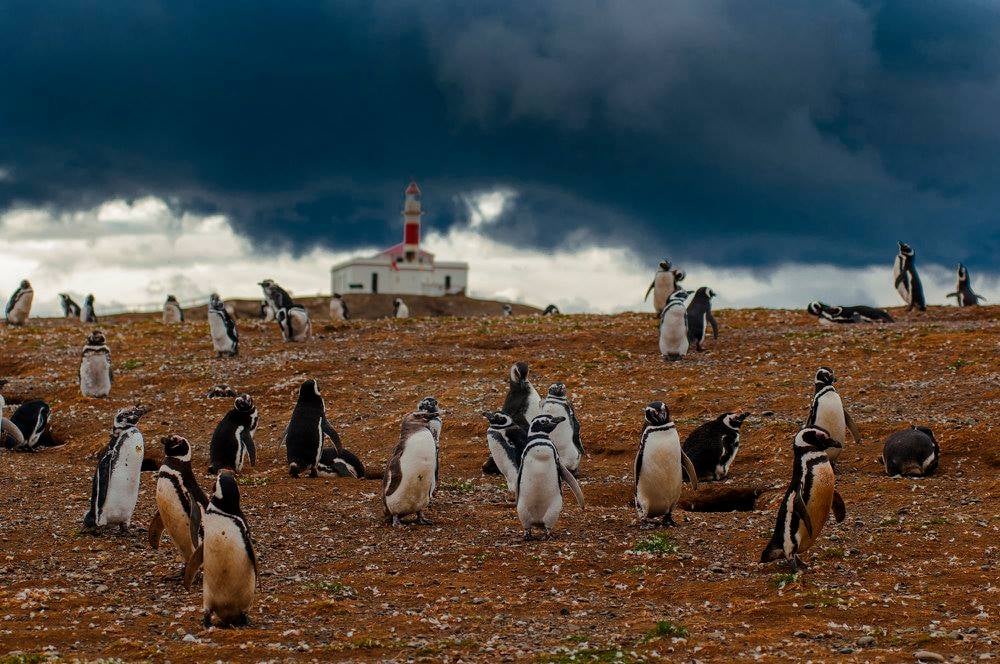
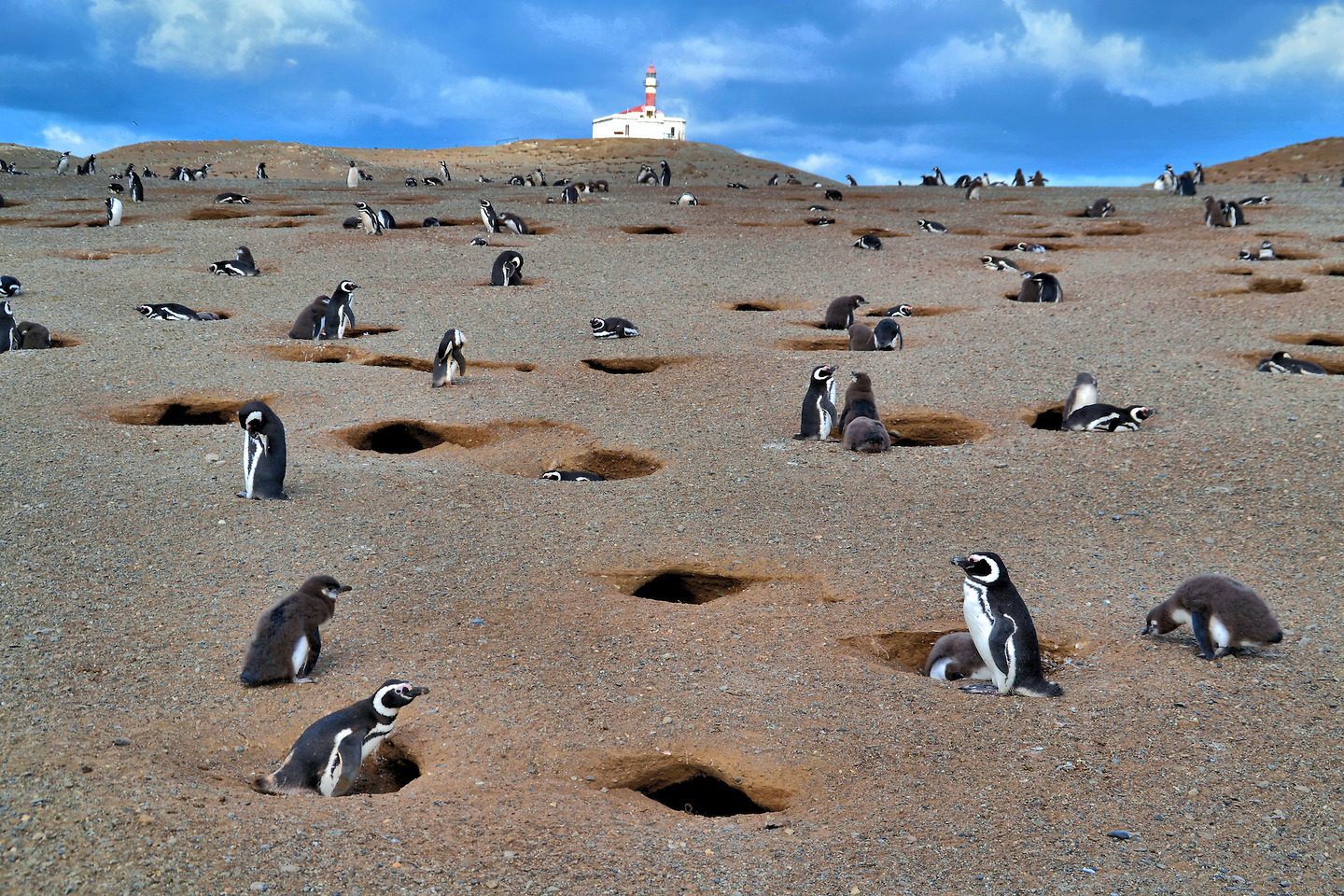
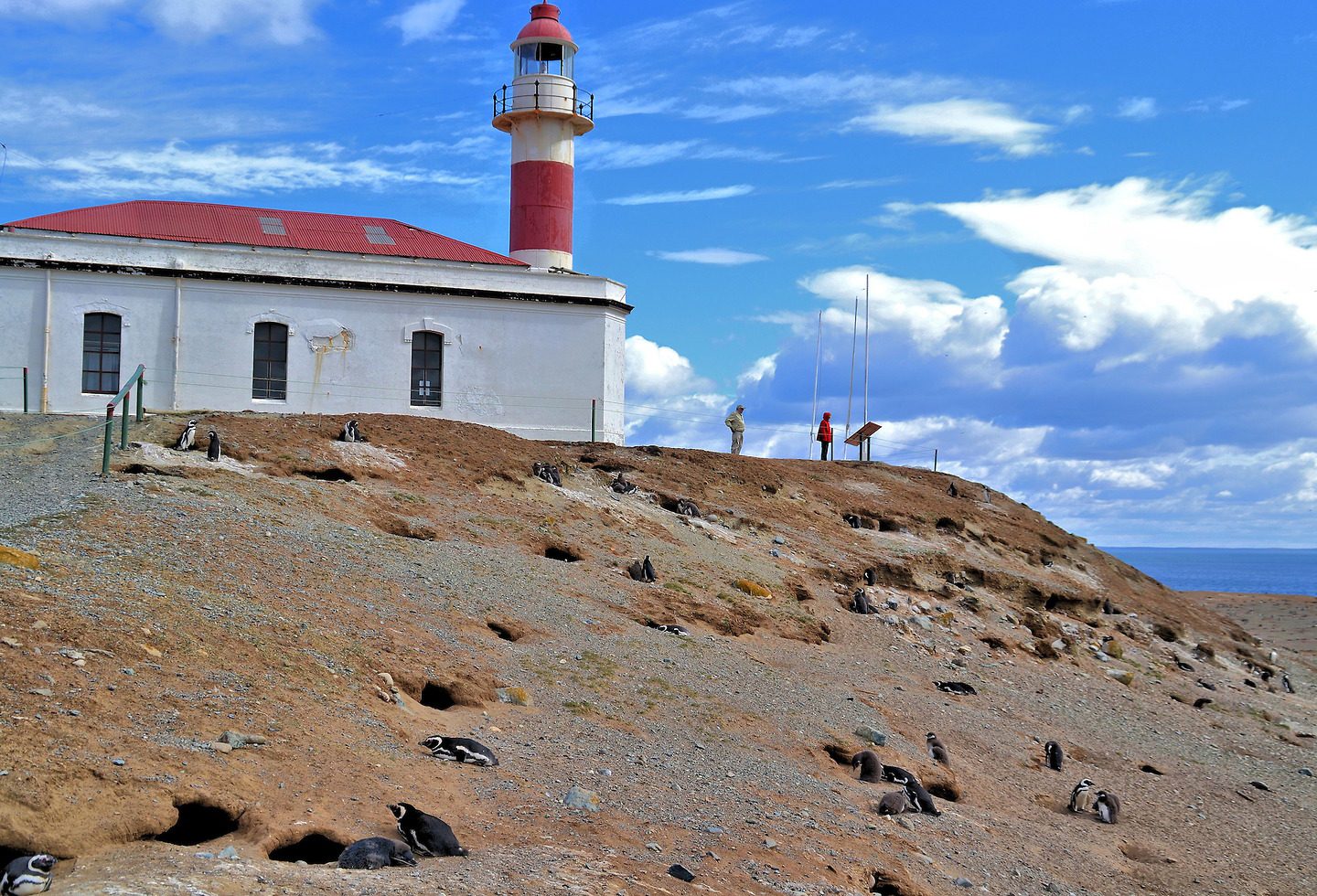
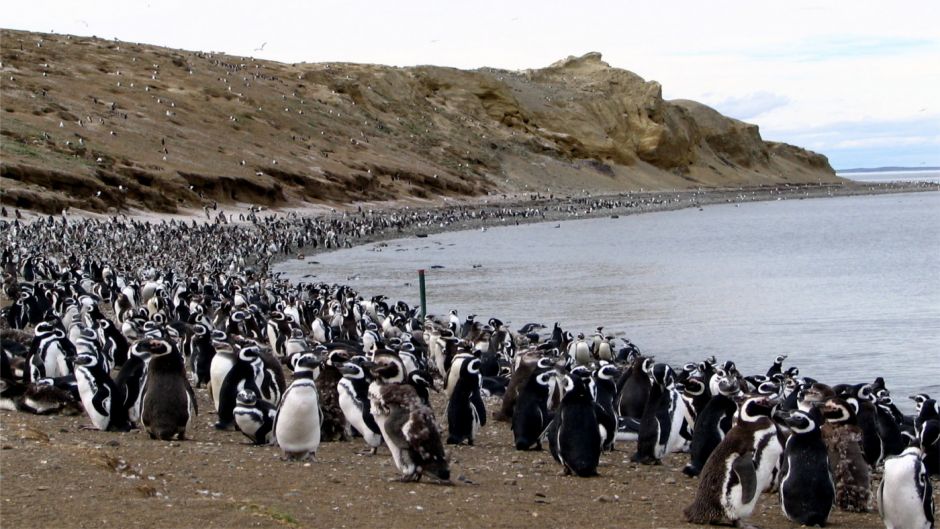
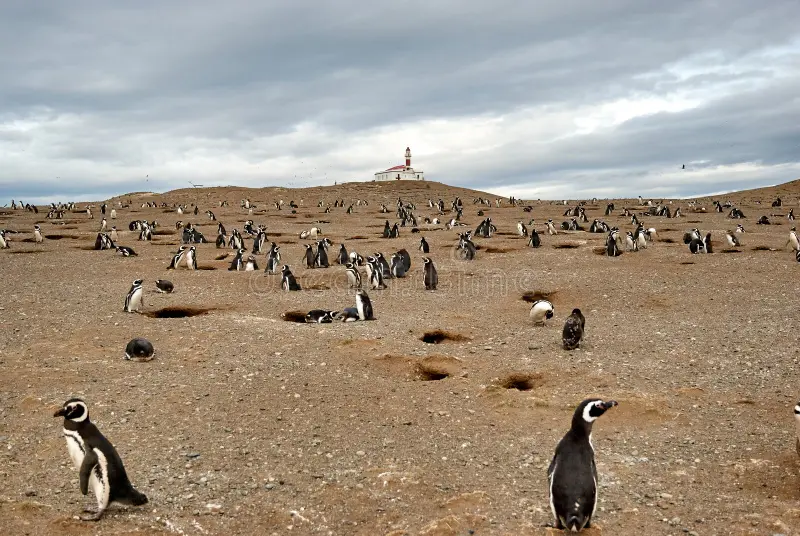
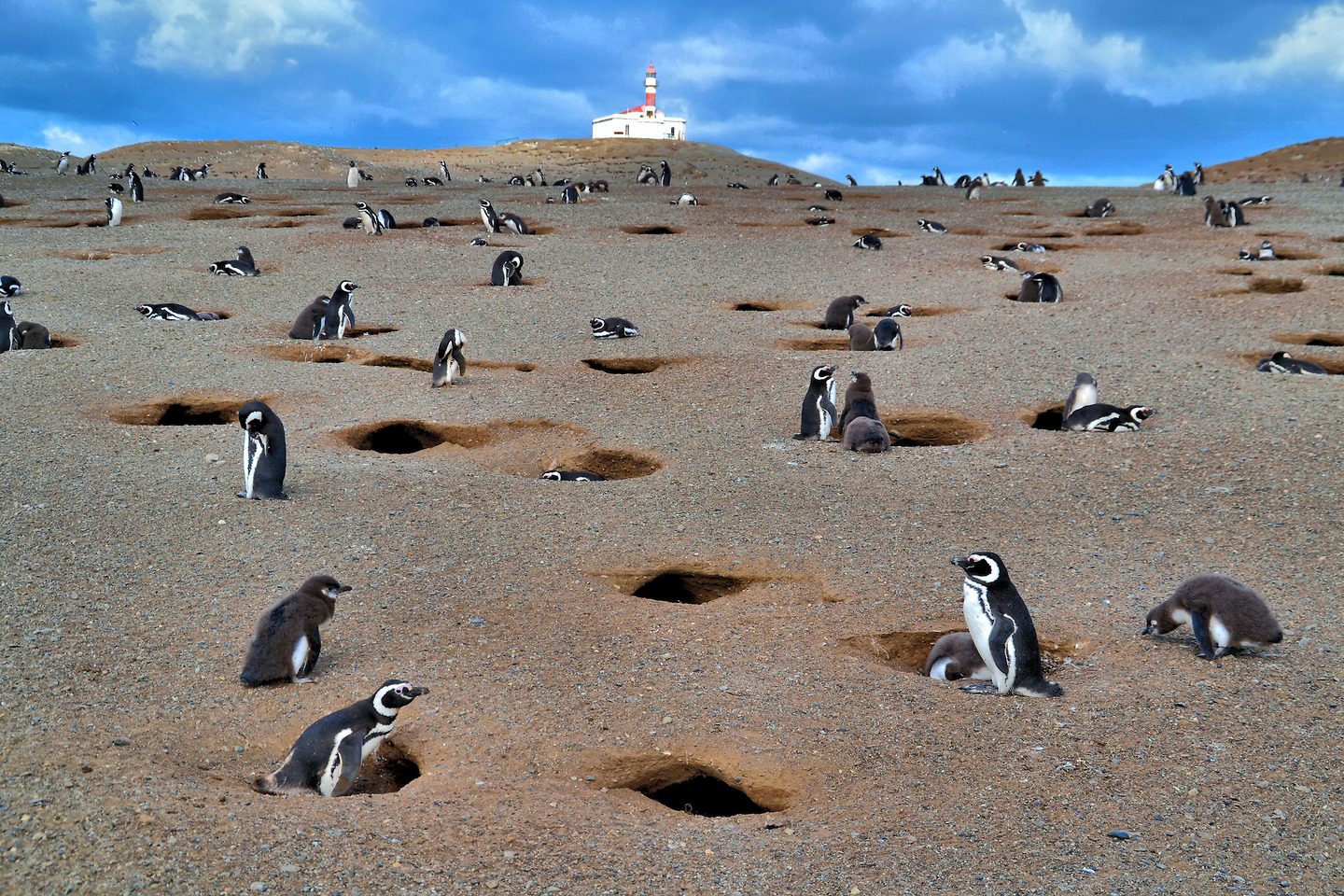
The magdalena island penguin season runs from October to March, when Magellanic penguin pairs arrive to breed and raise chicks. The island is closed from April through September, so a June visit is not possible; plan for the October 2026 season opening.
What are the opening hours for Monumento Natural Los Pingüinos on Magdalena Island?
Monumento Natural Los Pingüinos is open 09:00–18:00 every day of the week during the October–March season. Outside of those hours, and outside of the season, no landings are permitted.
How much does a magdalena island penguin tour cost and what fees are included?
Tour boat prices vary by operator and vessel class — for the 2025/2026 season, all-inclusive boat tours were around USD 140 per adult. Separately, CONAF charges a conservation fee of 8,000 CLP per foreign adult visitor, payable in cash on the island.
How do I get to Magdalena Island from Punta Arenas?
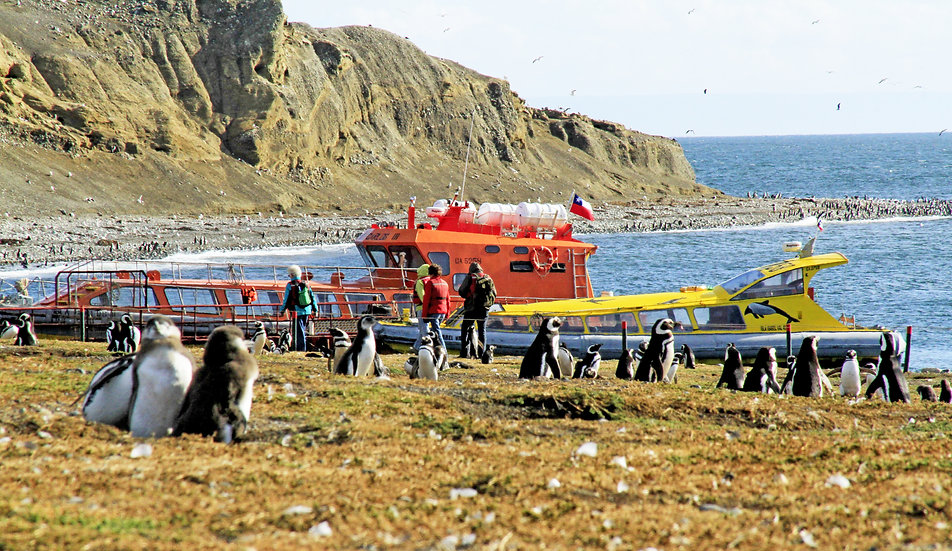
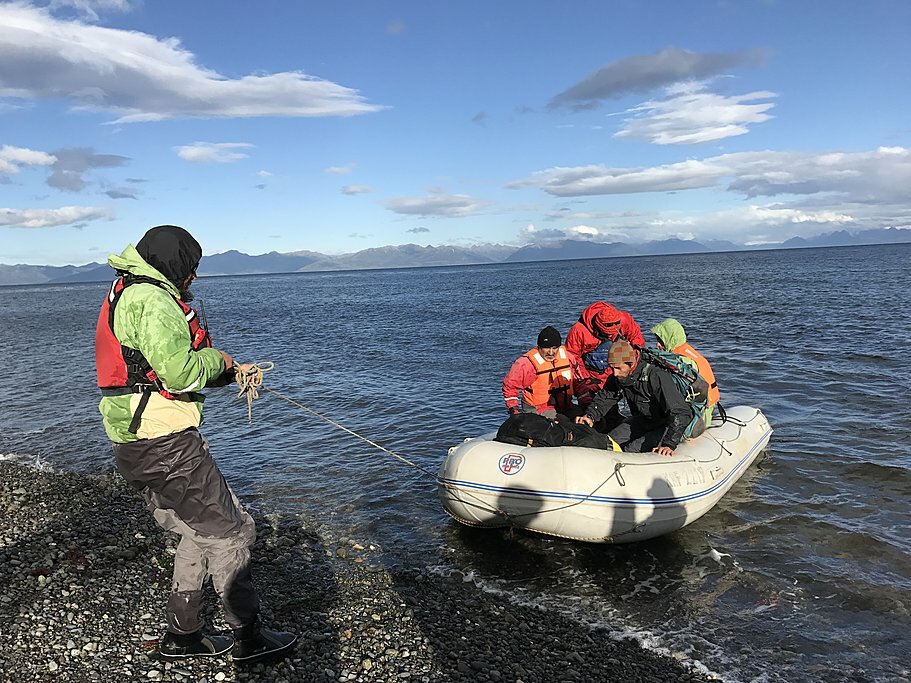
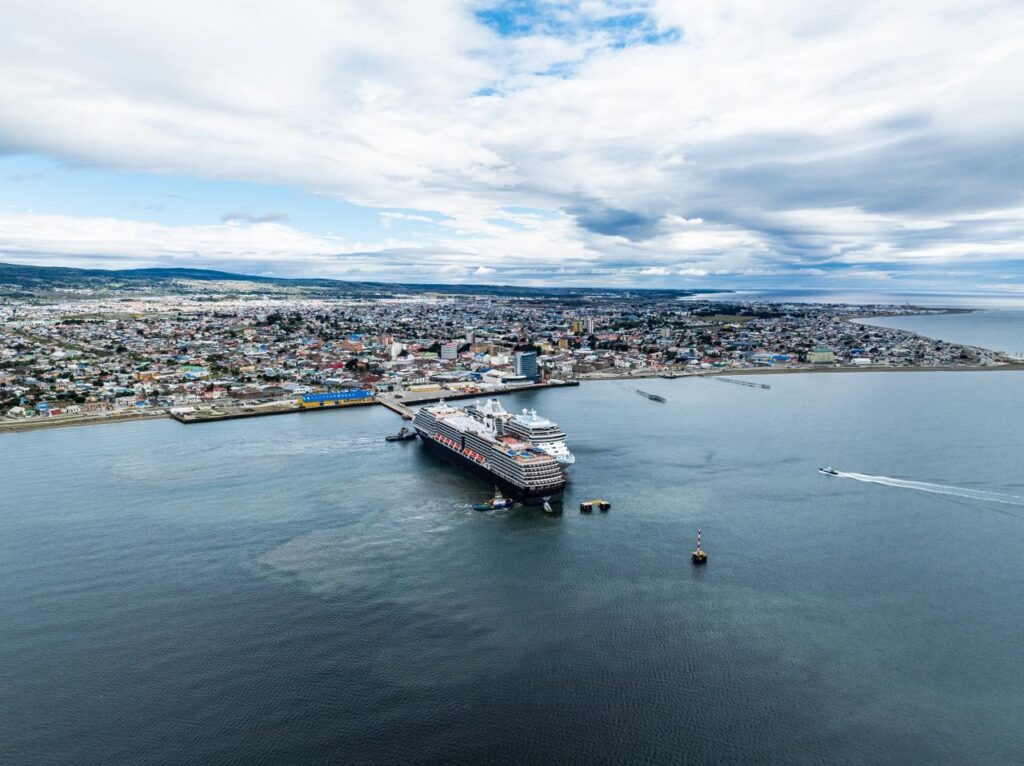
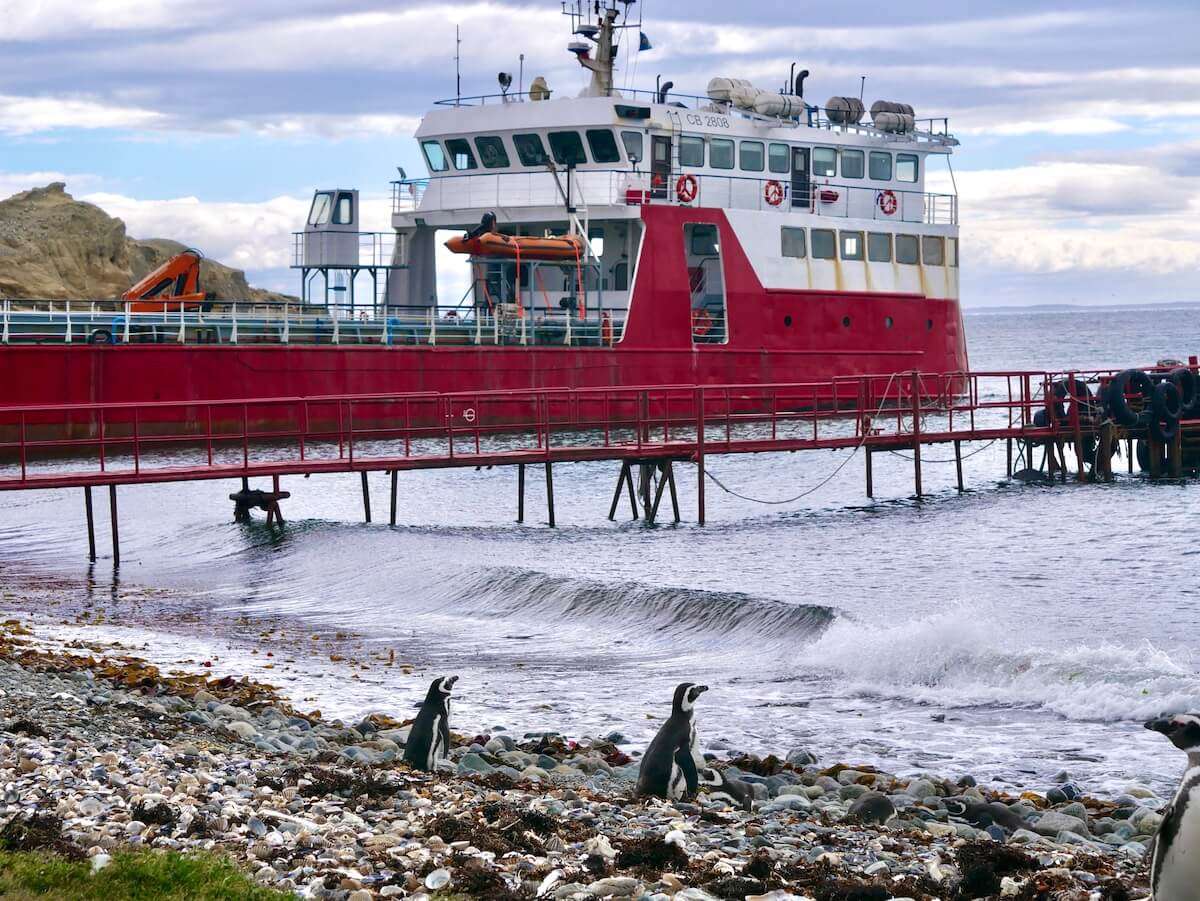
The island is only accessible by licensed boat tour from Punta Arenas. Departures leave from Muelle Prat (Av. Costanera del Estrecho 1398) or Bahía Laredo (20 km north of the city); most operators provide minivan transfers from their city-centre offices. The sea crossing takes roughly 45–90 minutes depending on vessel.
What is the magdalena island penguin tour cancellation policy?
If the tour operator cancels due to bad weather on the Strait of Magellan, a full refund is standard practice. Passenger-initiated cancellations after the operator's stated cut-off deadline typically incur a penalty fee; the 8,000 CLP CONAF conservation fee is non-refundable once you have landed on the island.
Can I touch the penguins during a Magellanic penguin colony visit?
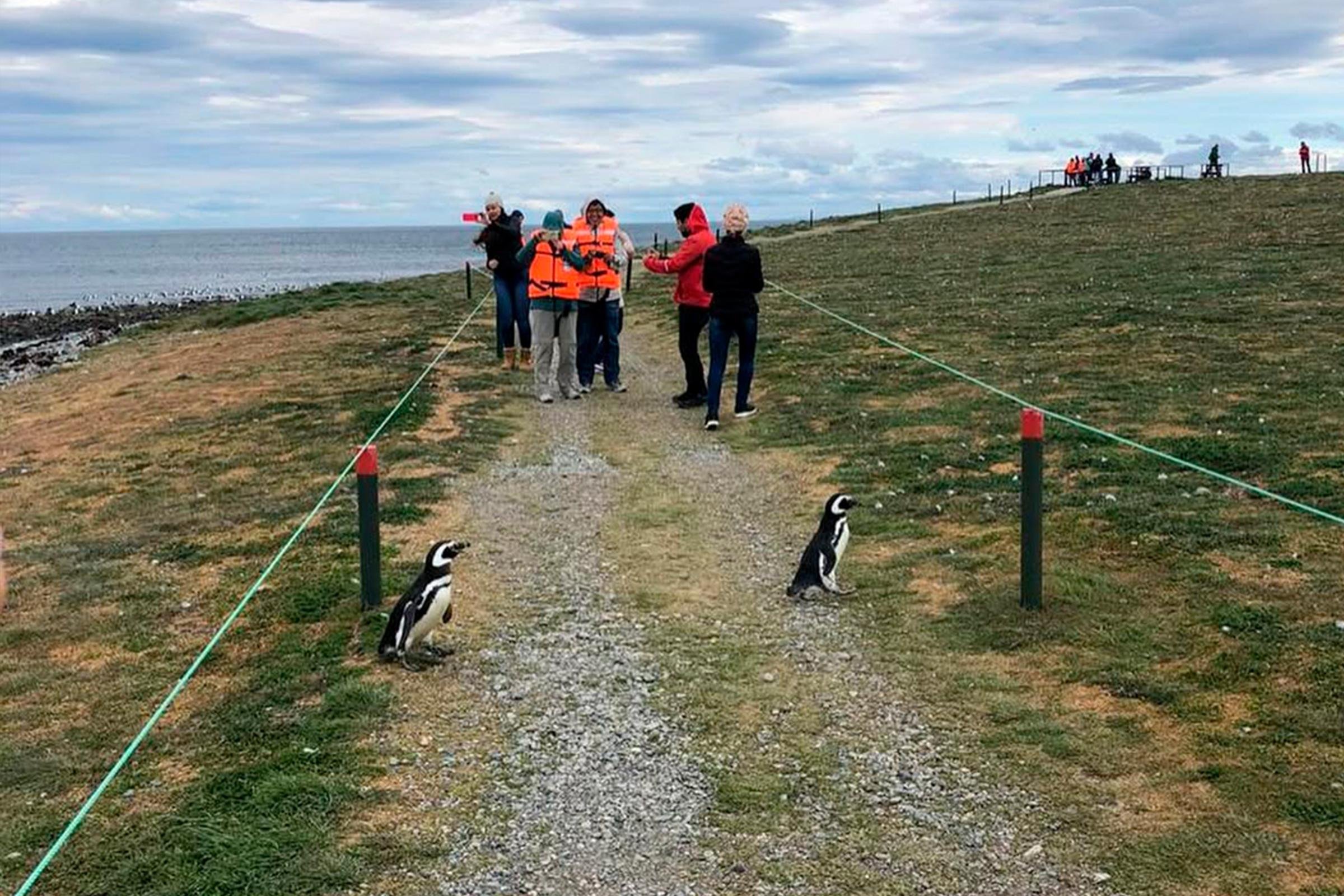
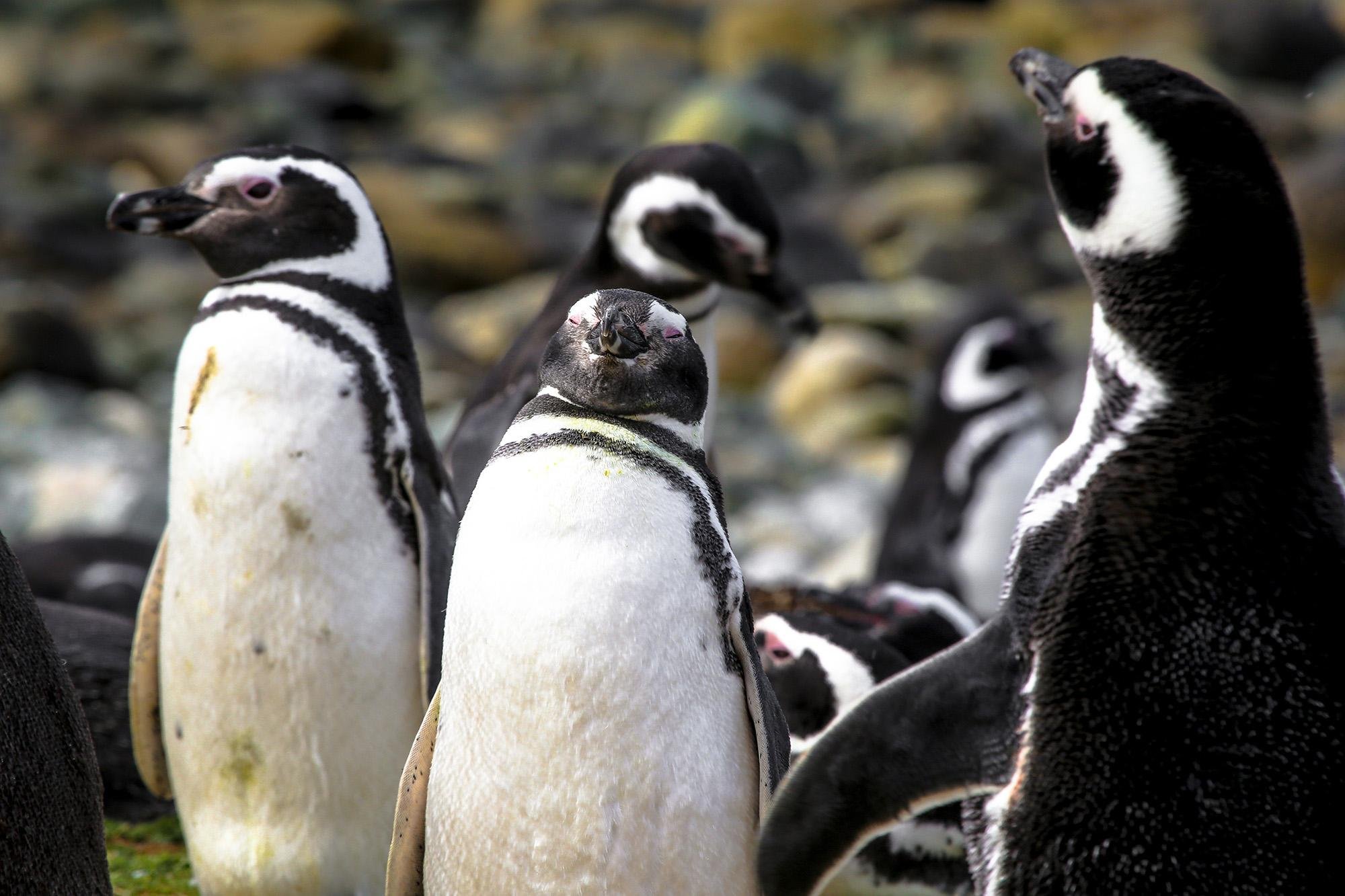
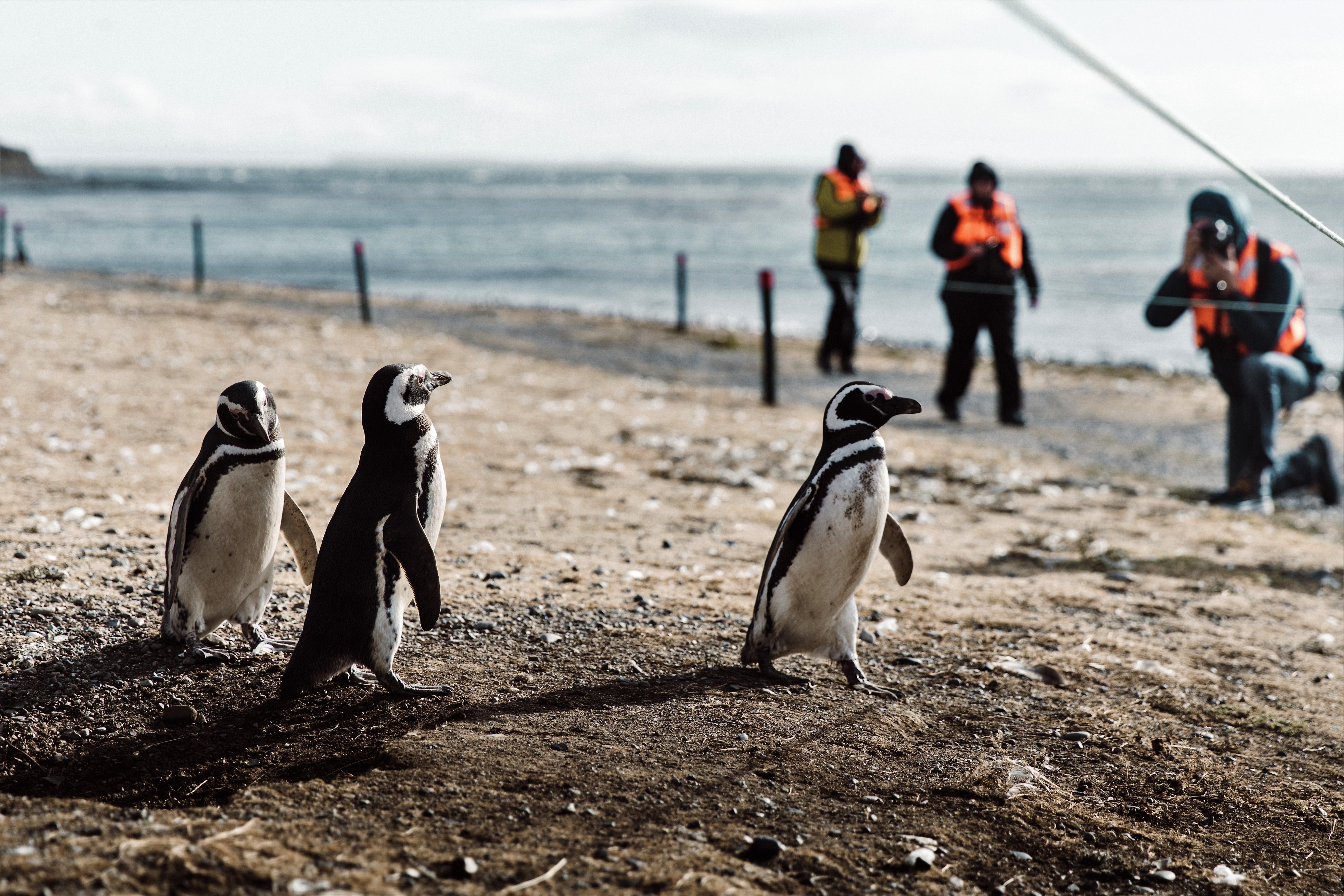
Touching penguins is strictly prohibited under CONAF regulations. Although Magellanic penguins are notably fearless and will often approach within arm's reach or cross the trail directly in front of visitors, direct physical contact is forbidden and rangers enforce this rule actively.
Is the Isla Magdalena trail accessible for visitors with limited mobility?
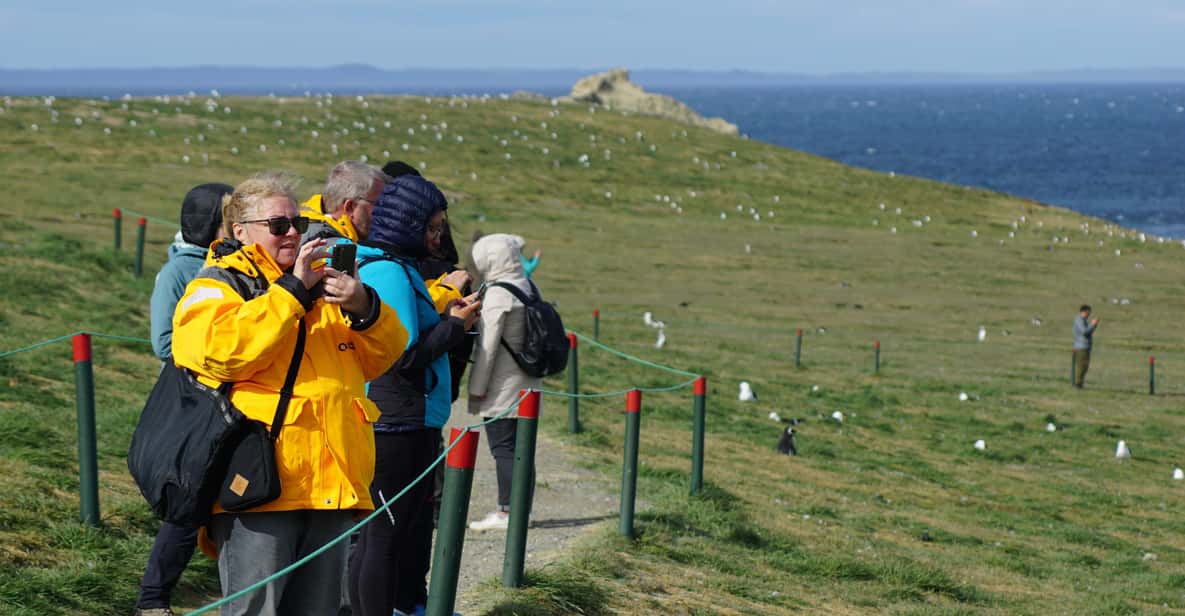
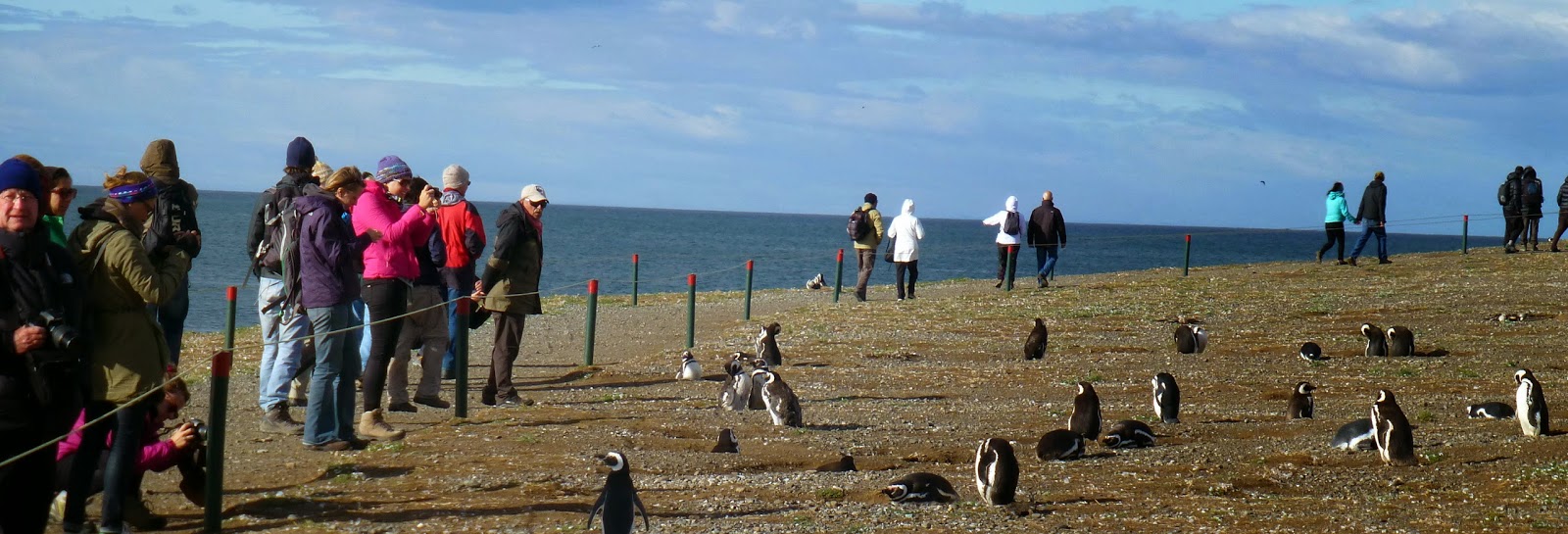
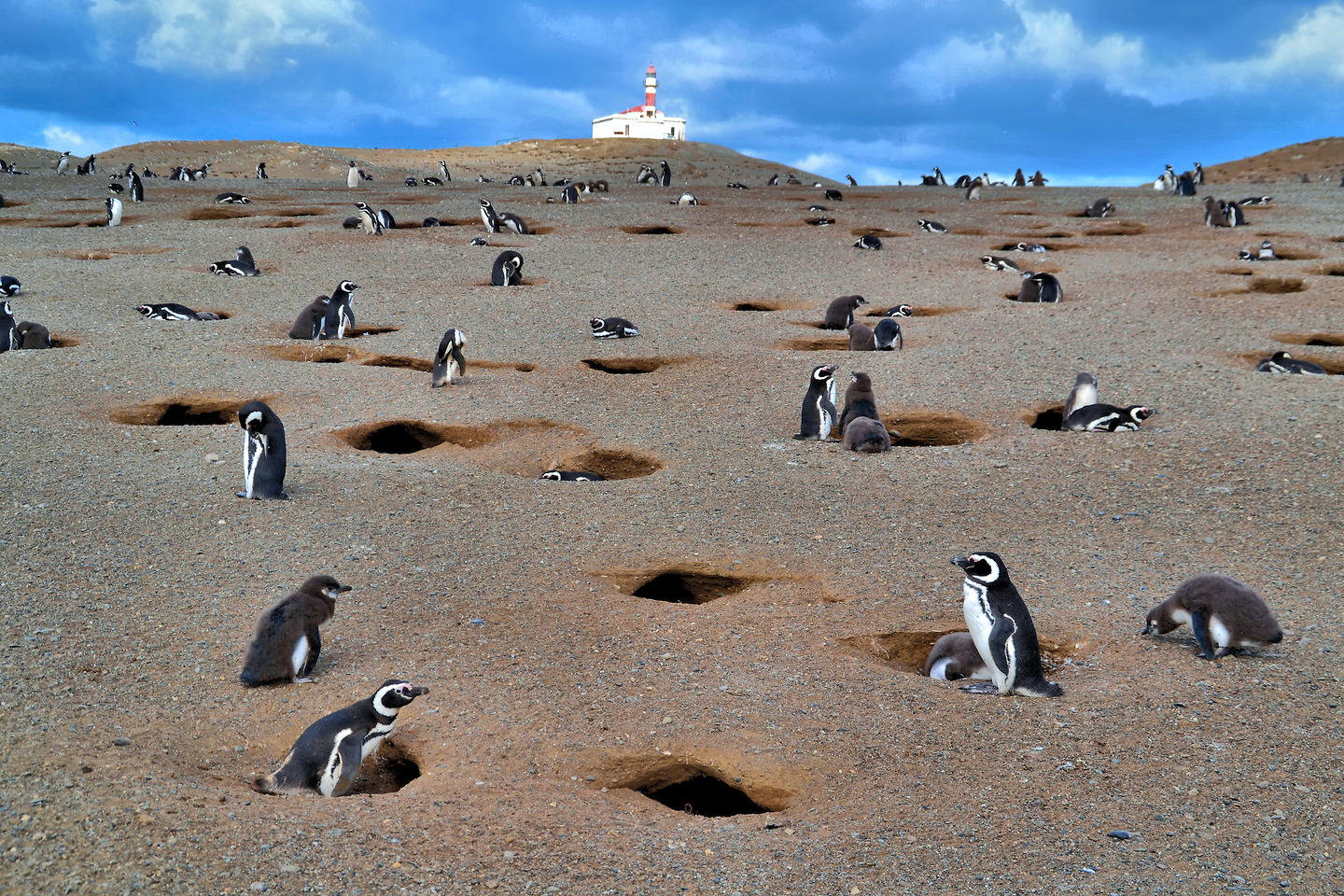
The marked loop trail is approximately one kilometre of flat, compacted earth and gravel, manageable for most visitors. Standard wheelchairs may face difficulty on uneven or soft sections, and boarding/disembarking the boat requires stepping assistance; contact your tour operator in advance to discuss specific needs.
What should I wear and bring on a Punta Arenas penguin island tour?
Wear windproof and waterproof outerwear, a warm mid-layer, and closed-toe waterproof footwear. Key items to bring: sunscreen SPF 50+, UV sunglasses, a sealed water bottle, a fully charged camera, and your passport (required for check-in and the CONAF fee collection).
Are drones and professional cameras allowed at Monumento Natural Los Pingüinos?
Personal cameras and smartphones may be used freely. Flash photography near burrows is discouraged by rangers. Drone flights require prior written authorisation from CONAF and are not permitted on standard public magdalena island penguin tours.
Is Magdalena Island suitable for families with young children?
The short, flat one-kilometre trail and the proximity of penguins make the island highly engaging for children. Children under 12 must be accompanied by an adult; many operators offer reduced fares for ages 5–12, and children under five travel free on some vessels.
What other wildlife can I see on a magdalena island penguin tour?
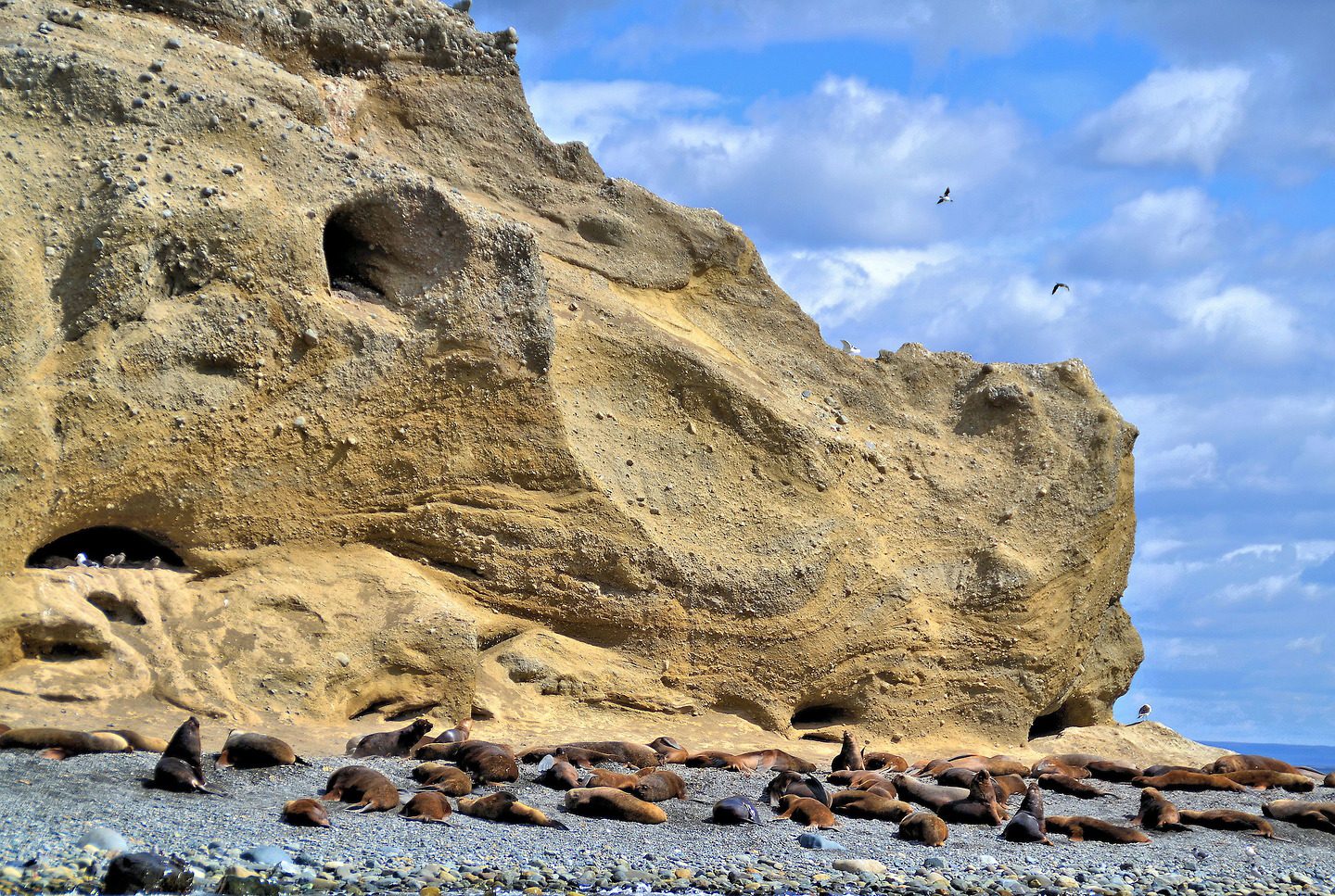
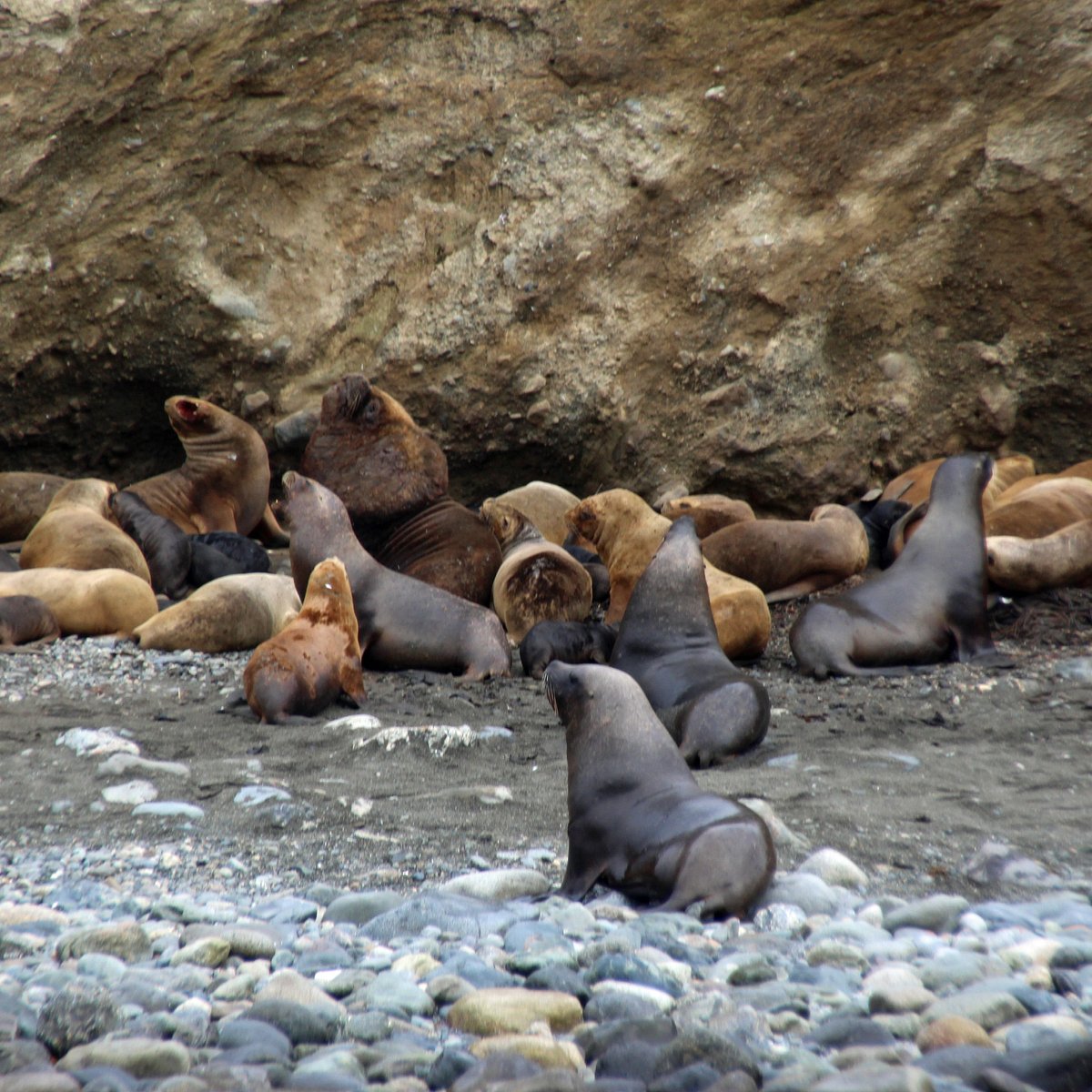
Beyond the Magellanic penguin colony, visitors commonly spot imperial and rock cormorants, kelp gulls, South American terns, and black-browed albatrosses on the island. During the boat crossing, Commerson's dolphins are frequently seen; Isla Marta, passed on some routes, hosts more than 1,500 South American sea lions.
What nearby Punta Arenas attractions pair well with the Magellanic penguin colony visit?
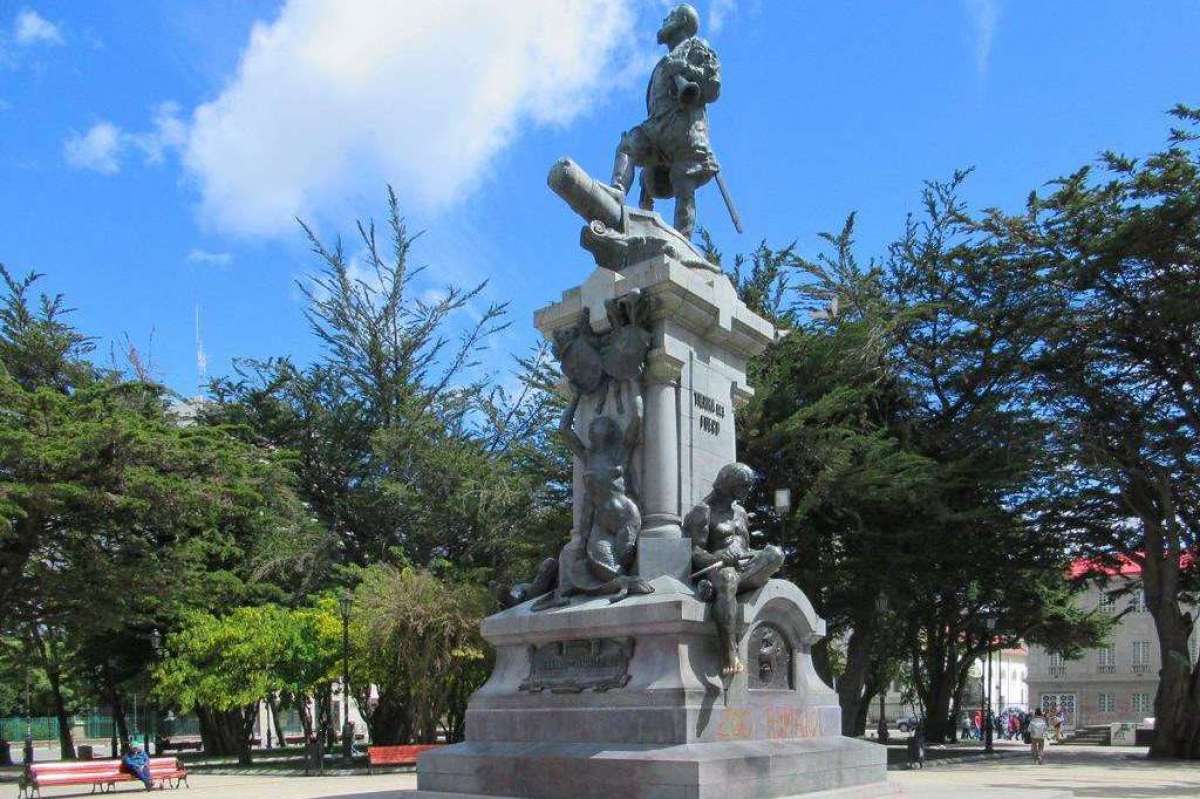
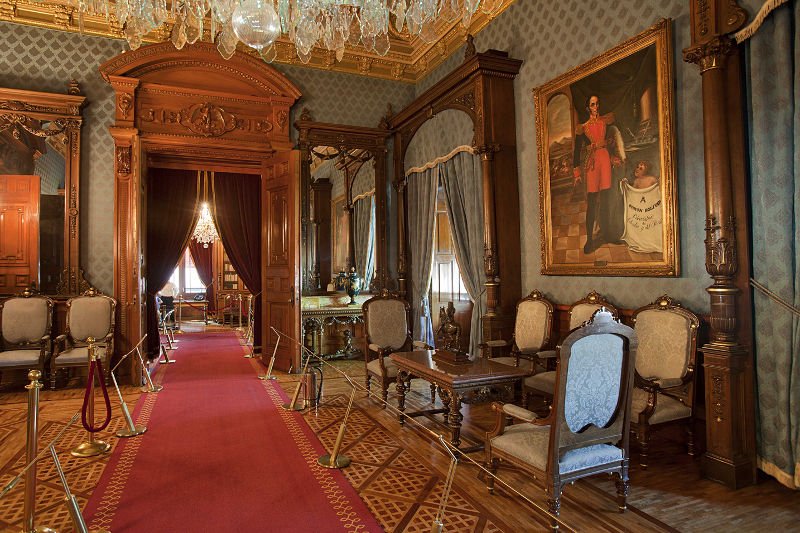
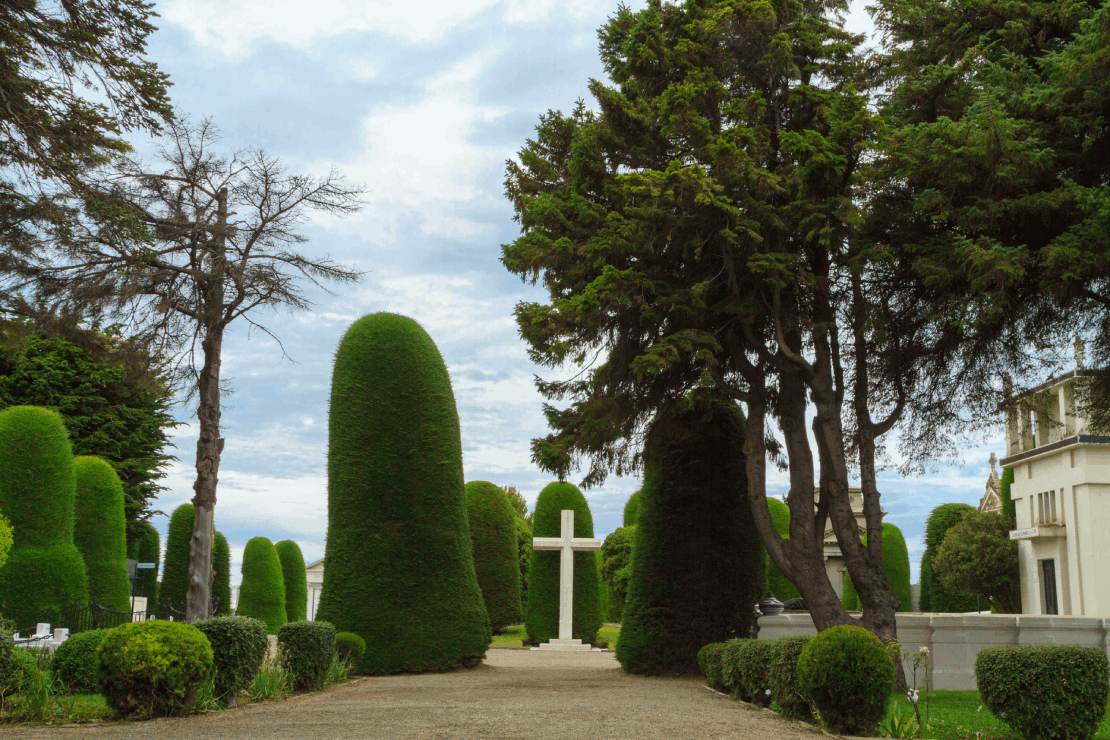
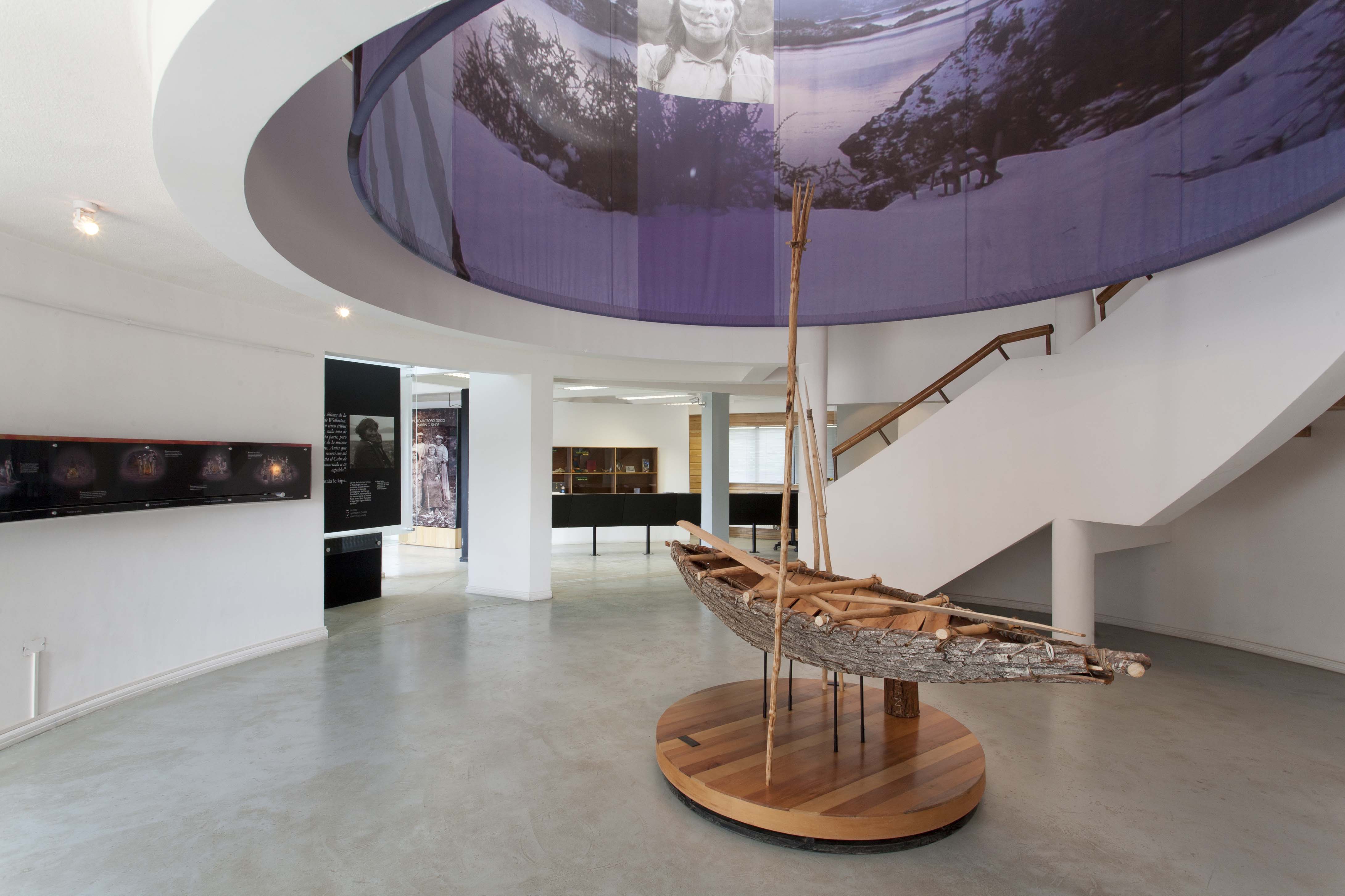
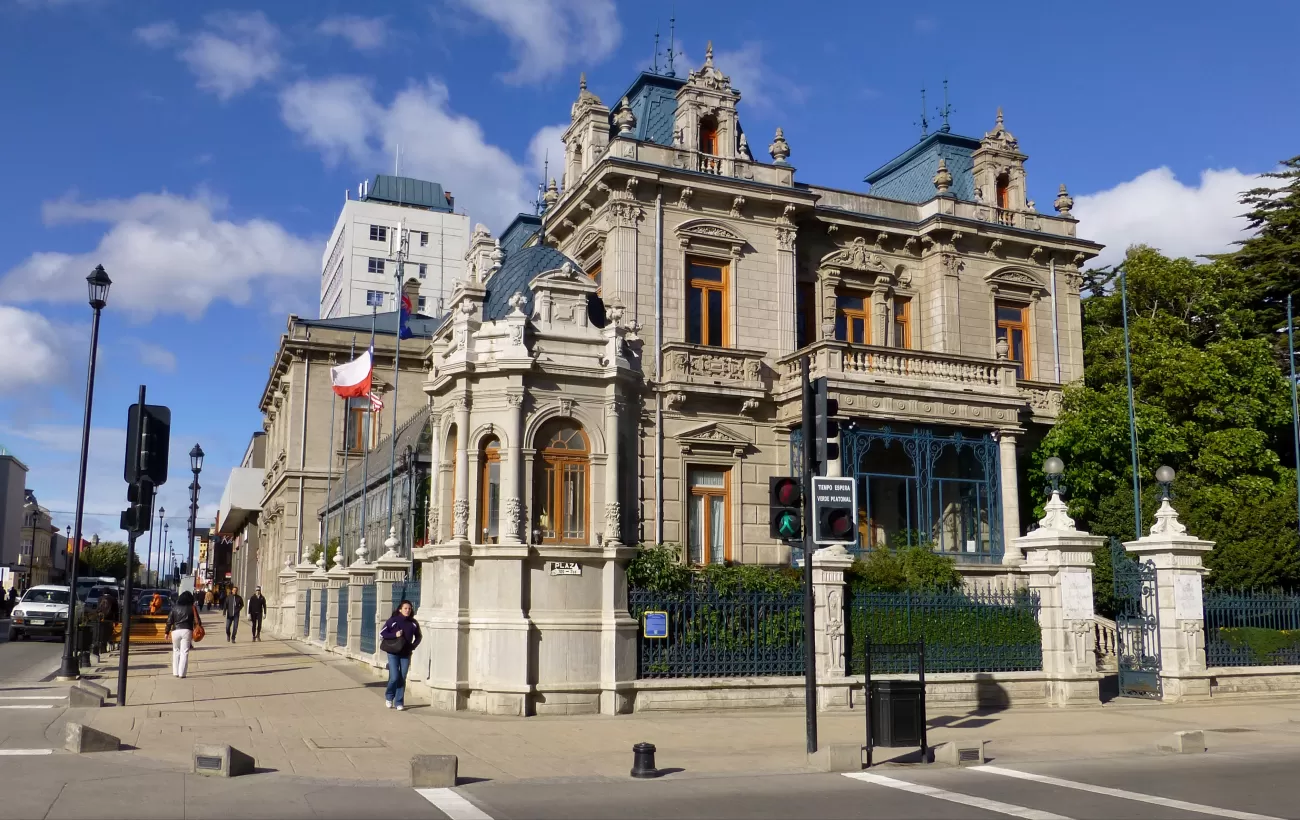
In Punta Arenas, Plaza Muñoz Gamero and the adjacent Palacio Sara Braun make a natural pre- or post-tour stop, as does the atmospheric Cementerio Municipal with its cypress-shaded tombs. The Museo Regional de Magallanes on the plaza provides context on the region's maritime and sheep-farming history.

 5 hr
5 hr